

The Yoffe Lab investigates how dynamic interactions within the tumor microenvironment (TME) shape cancer initiation, progression, and therapeutic response. We integrate spatial and single-cell multi-omic technologies with computational modeling and machine learning to decode the cellular heterogeneity, spatial organization, and molecular circuitry that drive tumor evolution.
We study how radiotherapy reprograms immune landscapes, aiming to uncover mechanisms that can be leveraged to enhance therapeutic efficacy in lung and colorectal cancers, either in combination with immunotherapy or as a standalone treatment. The lab also focuses on early lung adenocarcinoma, where we dissect how TME remodeling, and particularly the crosstalk between tertiary lymphoid structures and T-cell exhaustion, drives the transition from pre-invasive to invasive disease.
Ultimately, our goal is to achieve a mechanistic and spatially resolved understanding of tumor–immune interactions that will guide the development of new therapeutic strategies and predictive biomarkers.
Members:
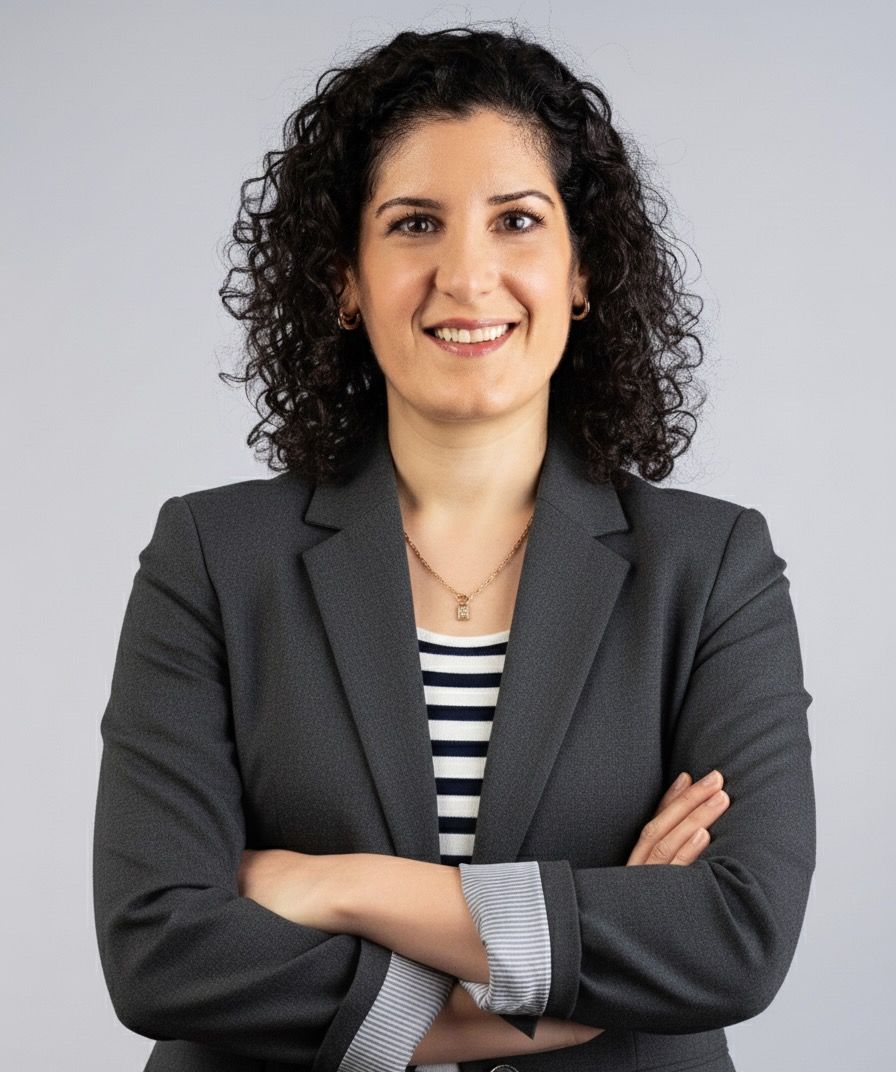
Liron Yoffe, PhD
Principal Investigator
Dr. Yoffe is a computational biologist whose research bridges data science and translational oncology to uncover how the tumor microenvironment drives cancer evolution and therapy response. She earned her Ph.D. in Computational Biology from Tel Aviv University, where she developed a deep interest in integrating multi-omic data to study complex biological systems.
Before joining the Department of Radiation Oncology at Weill Cornell Medicine, Dr. Yoffe completed her postdoctoral training in Olivier Elemento’s lab. Her work examined endothelial–tumor cell crosstalk in leukemias and lymphomas using primary samples and xenograft models in collaboration with Dr. Giorgio Inghirami. She also investigated the role of the microenvironment in early lung adenocarcinoma, integrating single-cell RNA sequencing, imaging mass cytometry, and spatial transcriptomics in collaboration with Dr. Vivek Mittal and Dr. Nasser Altorki.
Dr. Yoffe holds appointments in the Departments of Radiation Oncology, the Department of Systems and Computational Biomedicine, the Caryl and Israel Englander Institute for Precision Medicine, and the Institute for Computational Biomedicine at Weill Cornell Medicine.
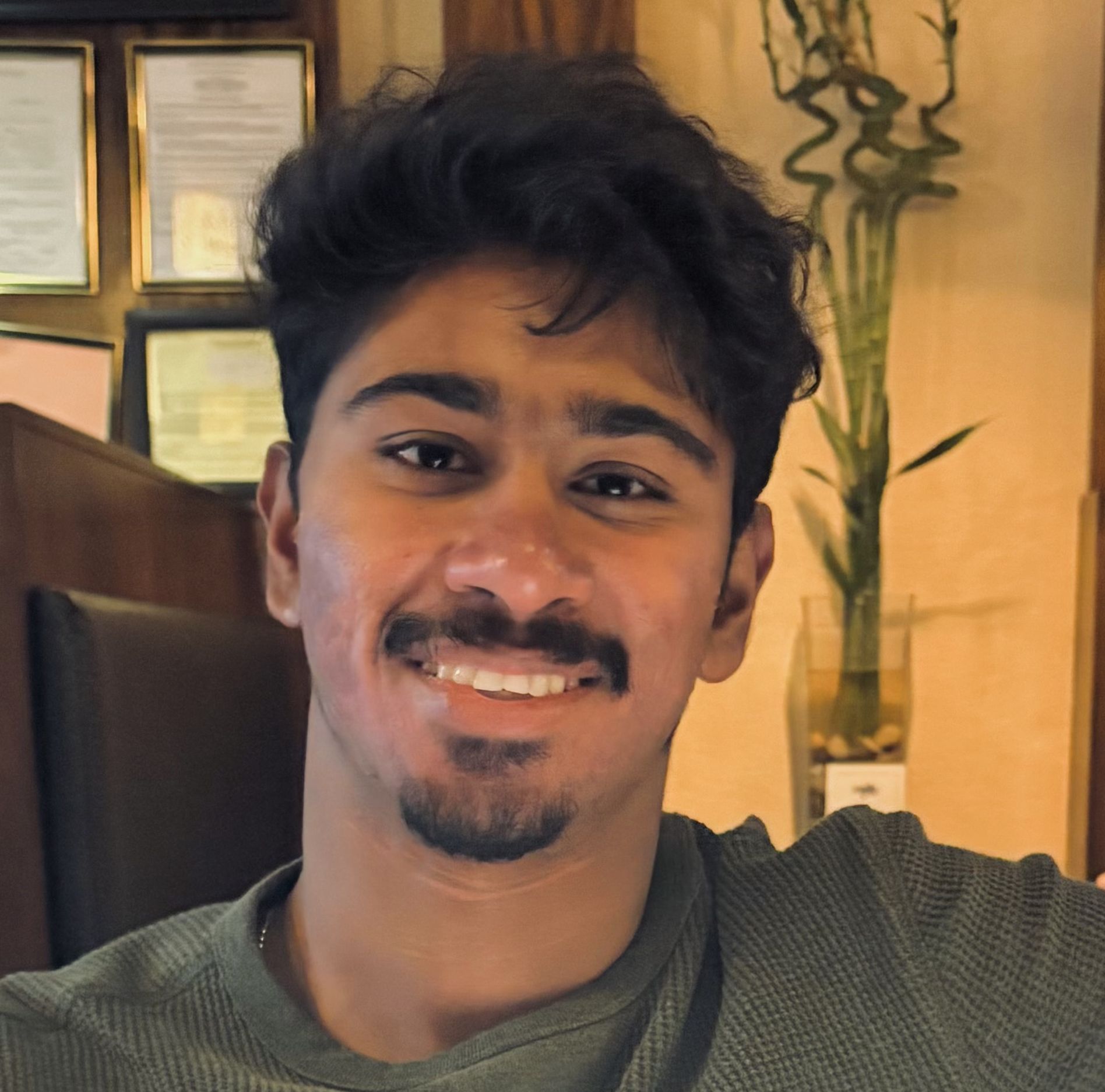
Nishanth Chinnadurai
Master's student, co-mentored with Dr. Olivier Elemento
Nishanth is a graduate student in the MSCB program. His research focuses on applying deep learning approaches, including transformer-based models, to identify critical gene regulatory networks (GRNs) and perform in silico predictions of genetic perturbations. He trains these models on lung single-cell RNA-seq datasets to predict how specific gene perturbations reshape transcriptomic programs, modulate T-cell functional states, and influence cell-state transitions in pre-invasive lung adenocarcinoma.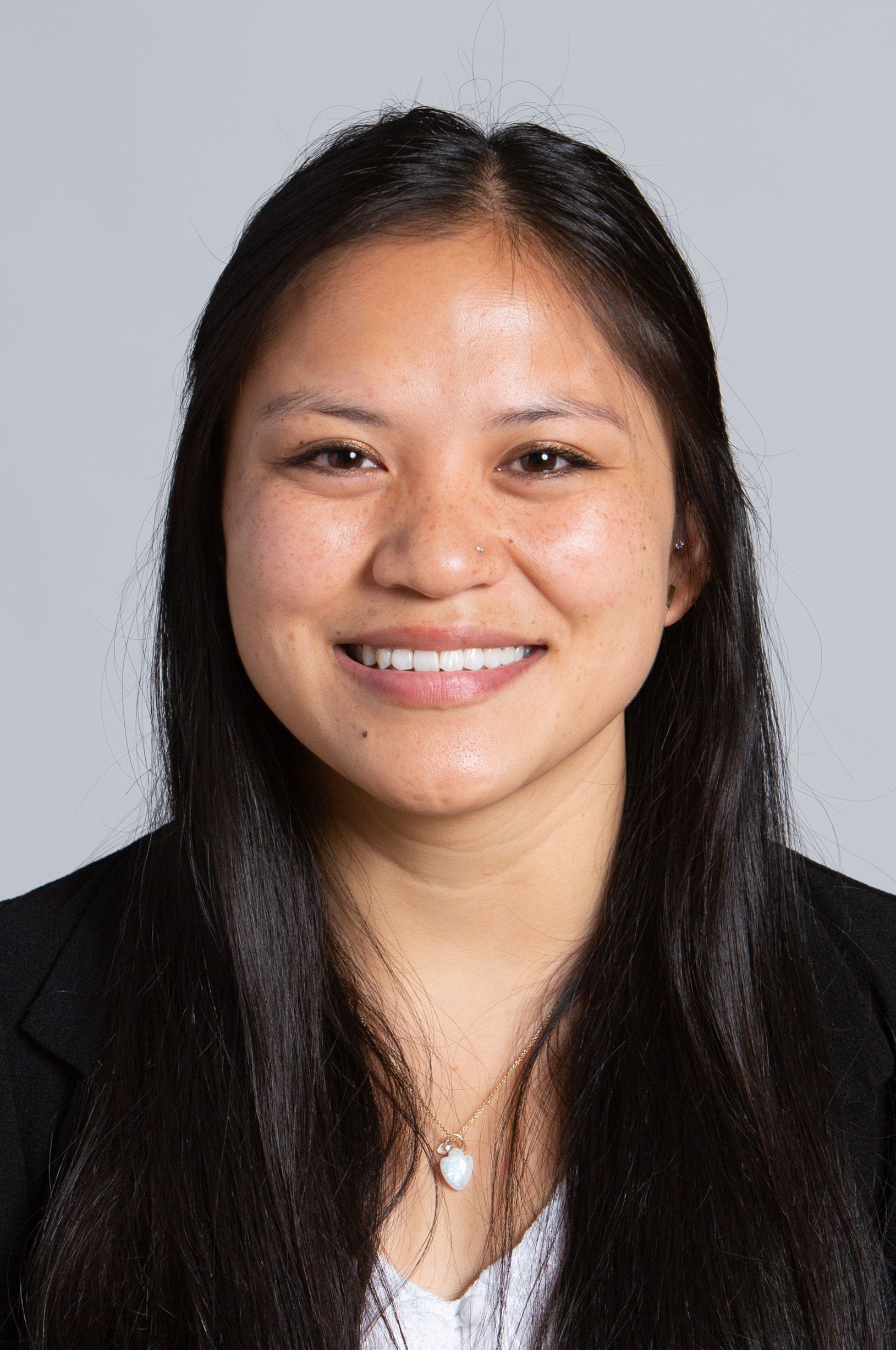
Sally Claridge
Postdoctoral Associate, co-mentored Dr. Jonathan Villena-Vargas
Sally is a postdoctoral associate in Cardiothoracic Surgery and Systems and Computational Biomedicine, co-mentored by Drs. Liron Yoffe and Jonathan Villena-Vargas. Her research explores the ways in which anatomic context governs T cell fate and immunotherapeutic response in non-small cell lung cancer and metastatic melanoma using paired single-cell RNA- and TCR-sequencing of patient-derived T cells from tumor, tumor-draining lymph node, and peripheral blood specimens in the WCM Thoracic Surgery Biobank. This work is supported by the Multidisciplinary Approach Training in Respiratory Research NIH T32 Training Grant.
Sally completed an M.S. in Bioinformatics and Genomics at the University of Oregon and earned her Ph.D. in Biomedical Sciences from the Icahn School of Medicine at Mount Sinai, where she built and validated the computational components of a functional genomics pipeline under the guidance of Dr. Benjamin D. Hopkins. In collaboration with Dr. Zhen-Qiang Pan, she also combined functional and multi-omic approaches to investigate the therapeutic efficacy of a novel CRL4 E3 ligase inhibitor in cancer models.
Alumnus:
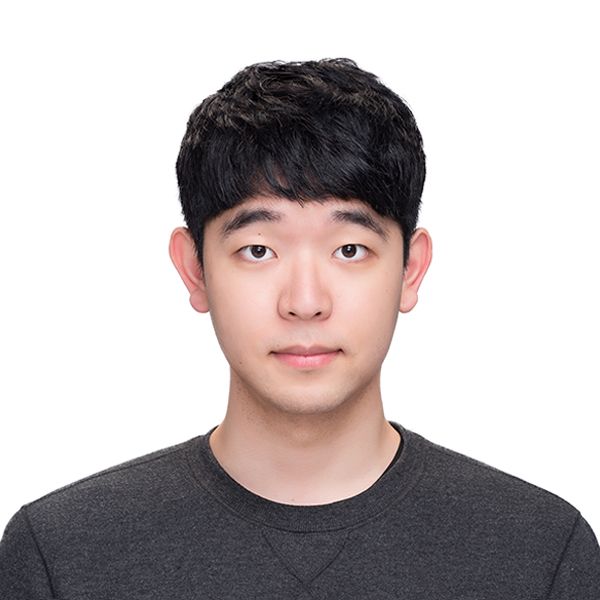
Junbum Kim
Previously Postdoctoral Associate
Currently: AIML Engineer at GSK